Your Laptop's Hidden Weight: 800 kg of Raw Materials Behind Every Device
En bref
Your 2 kg laptop requires 800 kg of raw materials to manufacture — its ecological backpack. Uncover the true environmental cost of digital devices and actionable steps toward more sustainable tech use.
When you hold your laptop, imagine you’re also carrying an invisible backpack weighing 800 kg. That’s the estimated weight of raw materials needed for its manufacture. The concept of “ecological backpack” helps us visualize this hidden environmental impact of our digital devices, accounting for all natural resources used, from raw material extraction to final manufacturing, far beyond the device’s own weight.

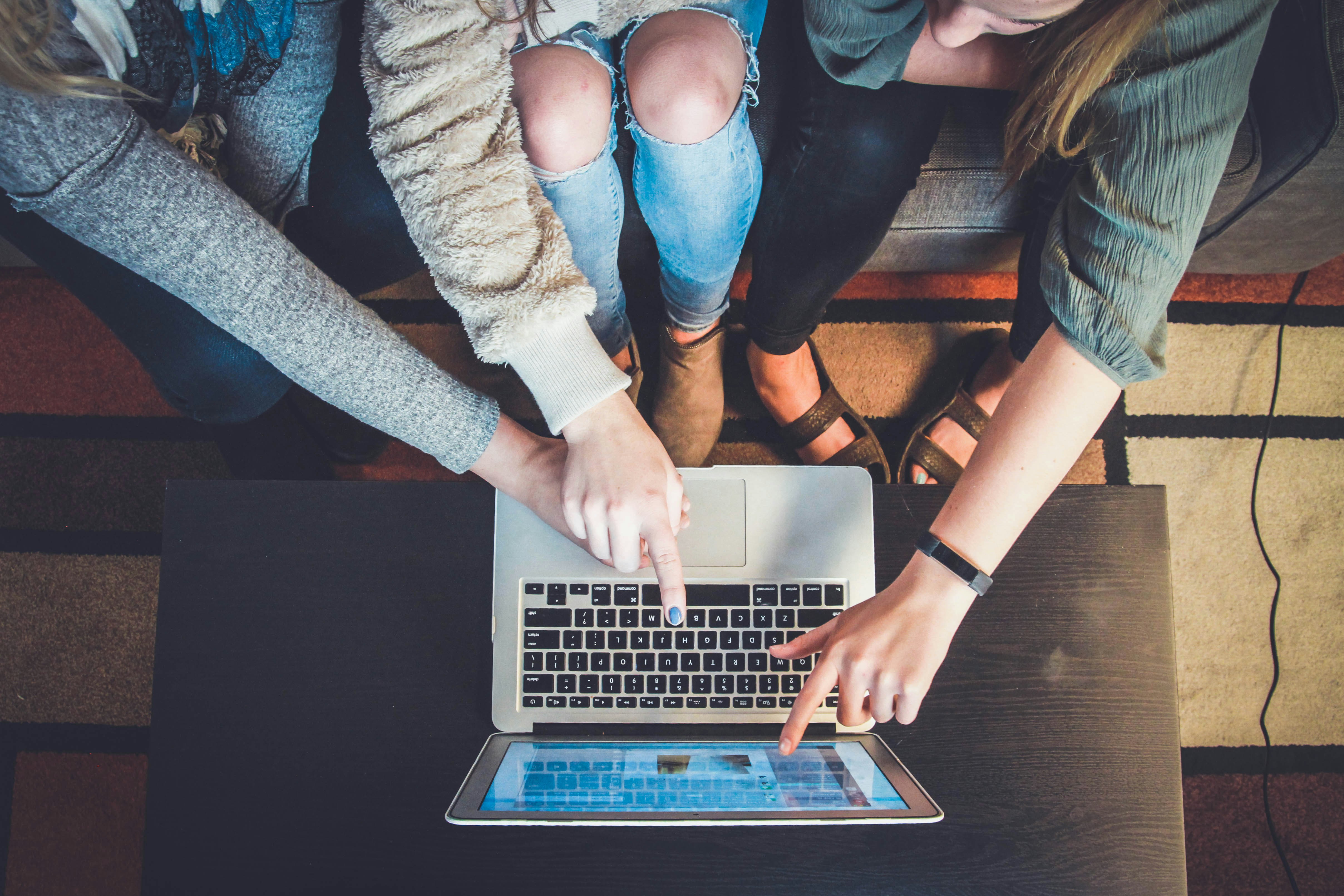
Infographic illustrating the weight of raw materials needed to manufacture a computer, about 800 kg. Source: Digital Collage
The “Ecological Backpack”: Beyond Weight, a Global Environmental Impact
The “ecological backpack” is much more than a simple weight measurement. It reveals the global environmental impact of our devices, highlighting resource scarcity, embodied energy (i.e., all energy needed for a product’s lifecycle: raw material extraction, transport, manufacturing, distribution, use, and end-of-life), chemical pollution generated, and social impacts related to their production.
Striking Figures and Resources Under Pressure
Here’s the hidden weight of some of our everyday digital devices:
| Equipment | Weight of mobilized materials |
|---|---|
| Laptop | 800 kg |
| Smartphone | 200 kg |
| Tablet | 300 kg |
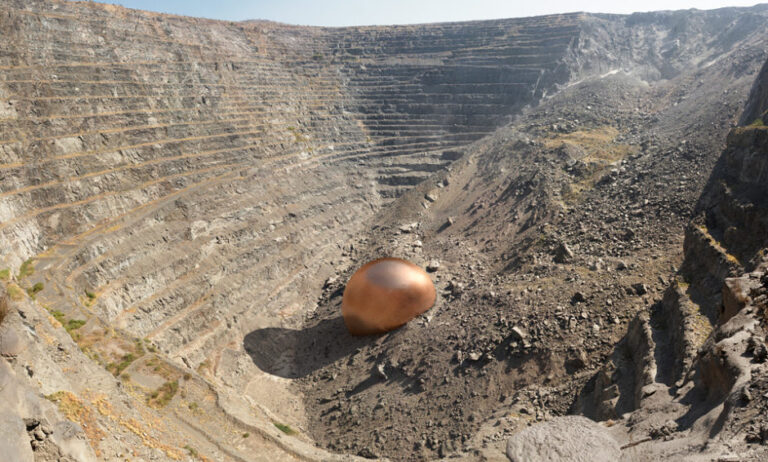
Palabora mine in South Africa (4.1 million tons of copper extracted). Photo from the series “For What it’s Worth” questioning the disproportionate scale of mining. © Dillon Marsh
These alarming figures highlight the pressure on natural resources. Mining the minerals needed to manufacture our digital devices has major environmental impacts:
Deforestation: Mining is responsible for about 7% of global deforestation6, particularly for copper and gold extraction.
Pollution: Rare earth extraction (neodymium, praseodymium, dysprosium) generates significant quantities of toxic waste that permanently contaminates soil and groundwater7.
Emissions: The metals and mining sector represents 10% of global greenhouse gas emissions5, with considerable water consumption - up to 83,800 liters for a single smartphone8.
The 4 R Rule: A Guide for More Sustainable Digital
Faced with these major environmental impacts, it’s crucial to act individually and collectively. The “4 R” rule (Reduce, Repair, Reuse, Recycle) offers a practical framework for adopting more responsible behaviors in our digital consumption. Here’s how to apply it concretely:
1. Reduce
Before any purchase, let’s question our real needs. Is acquiring a new device really necessary? Does it match our usage? Sharing equipment within a family or community can be a relevant alternative. Let’s favor devices with appropriate features rather than overpowered models we won’t fully exploit.
2. Repair
Repairability is crucial: let’s choose easily repairable devices with available spare parts. The repairability index is an excellent indicator. Regular maintenance, especially through software updates, helps fight planned obsolescence. Extended warranties can also be wise. Let’s resist the temptation of premature replacement as long as our devices work.
3. Reuse
The refurbished market offers an excellent alternative through platforms like Back Market or Recommerce. Our old equipment can have a second life by being donated or resold. This approach fits perfectly into circular economy logic and optimizes resource use.
4. Recycle
As a last resort, when a device reaches end-of-life, let’s ensure it’s properly recycled. Approved collection points enable component recovery and raw material reclamation. Let’s also favor manufacturers committed to eco-design, who facilitate product recycling and use recycled materials. Environmental labels (EPEAT, TCO Certified, Blue Angel) can guide us in these choices.
Conclusion: Toward Collective Awareness and Concrete Actions
Understanding the “ecological backpack” of our digital devices is a crucial first step. Let’s change our consumption habits, adopt more responsible behaviors, and support the circular economy. By becoming aware of our devices’ hidden weight and acting concretely to extend their lifespan, make more sustainable choices, and adopt a digital sobriety approach, we can significantly reduce digital’s environmental impact.